
Dental visits aren’t exactly everyone’s favorite thing—and that’s perfectly okay. Whether you’re heading in for a simple cleaning or preparing for a procedure like wisdom tooth removal, dental sedation can make a world of difference. But with a few different options available, how do you know which one fits your needs?
Sedation dentistry isn’t one-size-fits-all. Understanding the differences between laughing gas, oral sedation, and IV sedation can help you feel confident in your care plan. And if you’re preparing for something more complex, like safe sedation for wisdom teeth removal, choosing the right method matters even more.
Understanding Dental Sedation Options
What Is Laughing Gas and How Does It Work?
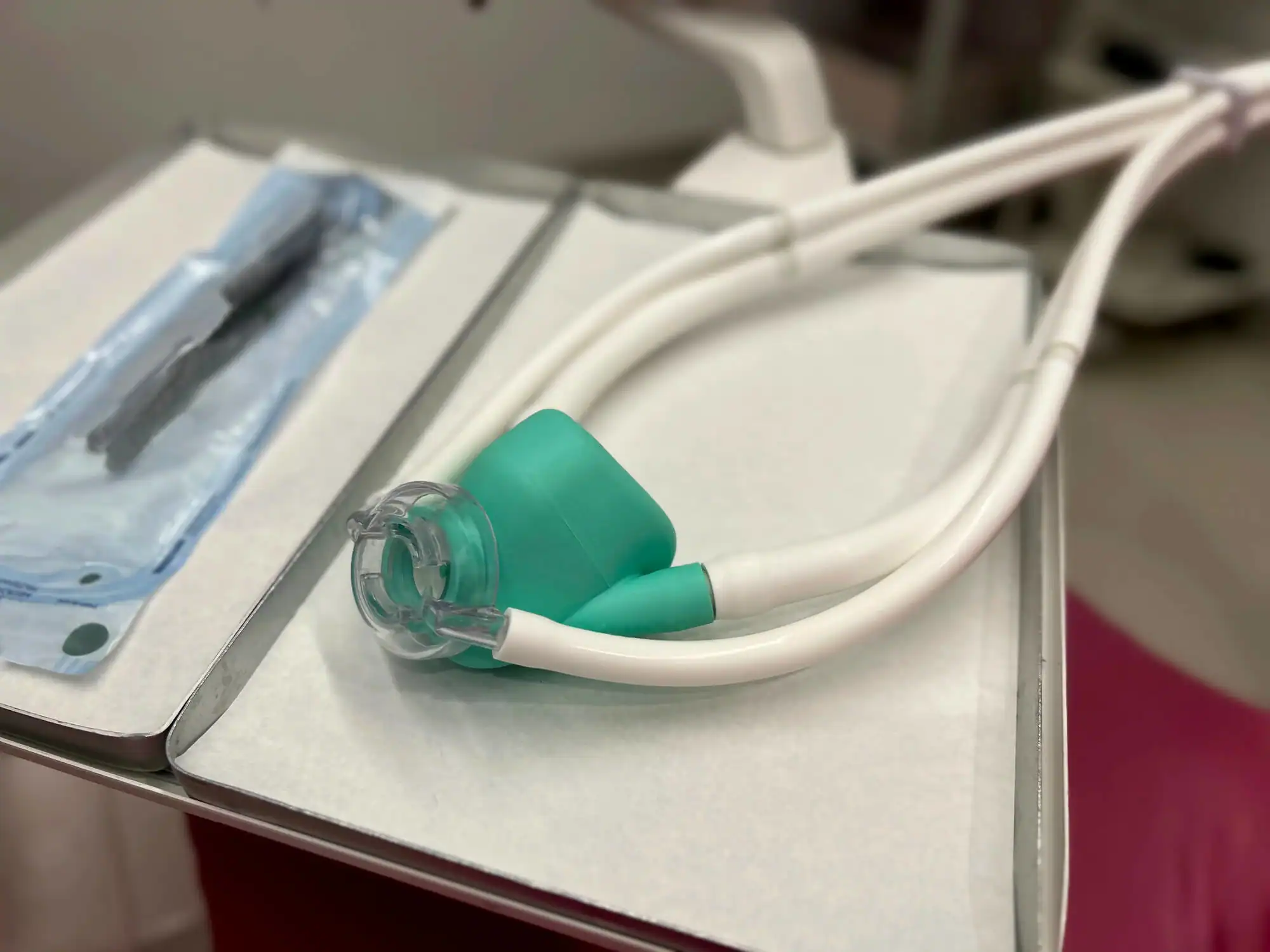
Laughing gas—also known as nitrous oxide—is the lightest and most common form of sedation used in dental offices. It’s administered through a soft nose mask, and as you breathe it in, you’ll start to feel more relaxed within minutes. Some patients feel slightly lightheaded or tingly; others just feel pleasantly calm.
It doesn’t put you to sleep, so you’ll be fully awake during the procedure. You can answer questions, respond to instructions, and even hold a conversation if needed. Once the mask comes off, the effects wear off almost immediately.
Pros and Cons of Laughing Gas
Pros:
- Takes effect quickly—usually within 3–5 minutes.
- Wears off fast, so you can return to work or school right after.
- Doesn’t require a driver or recovery time.
- Safe for children and adults.
Cons:
- Not ideal for patients with severe dental anxiety.
- You’ll still need local anesthesia for pain control.
- Some people dislike the feeling of the mask.
This is a great choice for minor treatments or patients who just need a little help staying calm.
What Is Oral Sedation and How Is It Taken?
Oral sedation involves taking a prescribed pill, usually about an hour before your dental appointment. The medication—often something like Halcion or Valium—helps ease anxiety and calm your nerves. It doesn’t knock you out, but it does put you in a deeply relaxed, almost dream-like state.
You may stay awake, but time may pass without much memory. Many patients say they barely remember their appointment at all, which makes oral sedation ideal for longer or more involved procedures.
Pros and Cons of Oral Sedation
Pros:
- More effective for moderate to high anxiety than laughing gas.
- No needles required.
- Often causes amnesia-like effects, so you won’t remember much.
Cons:
- You’ll need someone to drive you to and from the appointment.
- You must fast beforehand.
- The effects can linger, making you groggy the rest of the day.
Oral sedation strikes a balance—calm enough for major procedures but simple enough for people who don’t want IV sedation.
What Is IV Sedation and How Is It Administered?
IV sedation is the strongest option available in most dental offices. It’s delivered directly into your bloodstream through a small needle, usually placed in your arm or hand. The effects kick in quickly, and your dental team can adjust the dosage throughout the appointment.
You won’t be fully unconscious, but you’ll be in a very deep state of relaxation. Many patients fall asleep or enter what’s known as “twilight sleep,” where you’re aware enough to respond but remember almost nothing.
Pros and Cons of IV Sedation
Pros:
- Fast, adjustable sedation levels.
- Minimal memory of the procedure.
- Great for longer or more complex treatments.
- Ideal for patients with intense anxiety or strong gag reflexes.
Cons:
- Requires a needle and full monitoring.
- You’ll need recovery time and a ride home.
- Often more expensive than other sedation options.
It’s commonly used for safe sedation for wisdom teeth removal, extractions, and surgical procedures.
Who Should Consider Laughing Gas?
Laughing gas works well for patients who:
- Feel mild anxiety about dental visits.
- Want a quick recovery.
- Are undergoing short procedures like cleanings or fillings.
- Are children or teens new to dentistry.
Because you can drive yourself afterward, it’s also ideal for busy adults squeezing appointments into their workday.
Who Benefits Most from Oral Sedation?
Oral sedation is best suited for:
- Patients with moderate dental fear or a history of bad dental experiences.
- Those undergoing longer appointments, like root canals, deep cleanings, or multiple restorations.
- People with a strong gag reflex or sensitive teeth.
- Patients who prefer not to remember the procedure at all.
This option is particularly popular with adults who are nervous but want a needle-free alternative.
When Is IV Sedation the Best Option?
IV sedation is the go-to for:
- Wisdom tooth removal, dental implant surgery, or other intensive treatments.
- People with dental phobia or panic attacks.
- Patients needing multiple procedures in one visit.
- Anyone who wants deep sedation with little to no memory of the appointment.
If you’ve been delaying care due to anxiety, IV sedation can help you finally move forward.
How Do You Prepare for Dental Sedation?
Each method requires different preparation.
For laughing gas:
- No special prep.
- Eat lightly beforehand.
For oral or IV sedation:
- Fast (no food or drink) for 6–8 hours before your appointment.
- Arrange for someone to drive you home.
- Wear comfortable clothing.
- Avoid alcohol or certain medications as advised by your dentist.
Following prep instructions ensures your safety and comfort throughout the process.
Are You Considering Safe Sedation for Wisdom Teeth Removal?
There’s no universal best—it all depends on your comfort level, the procedure you’re having, and how much downtime you can manage afterward. Understanding your choices is important because each type of sedation offers different levels of comfort and awareness.
Some patients appreciate light sedation, which keeps them relaxed but conscious, while others prefer deeper sedation for a more anxiety-free experience. Talk openly with your dentist about your concerns and preferences. Whether you want to stay awake and aware or snooze through your visit, there’s a safe option that fits.
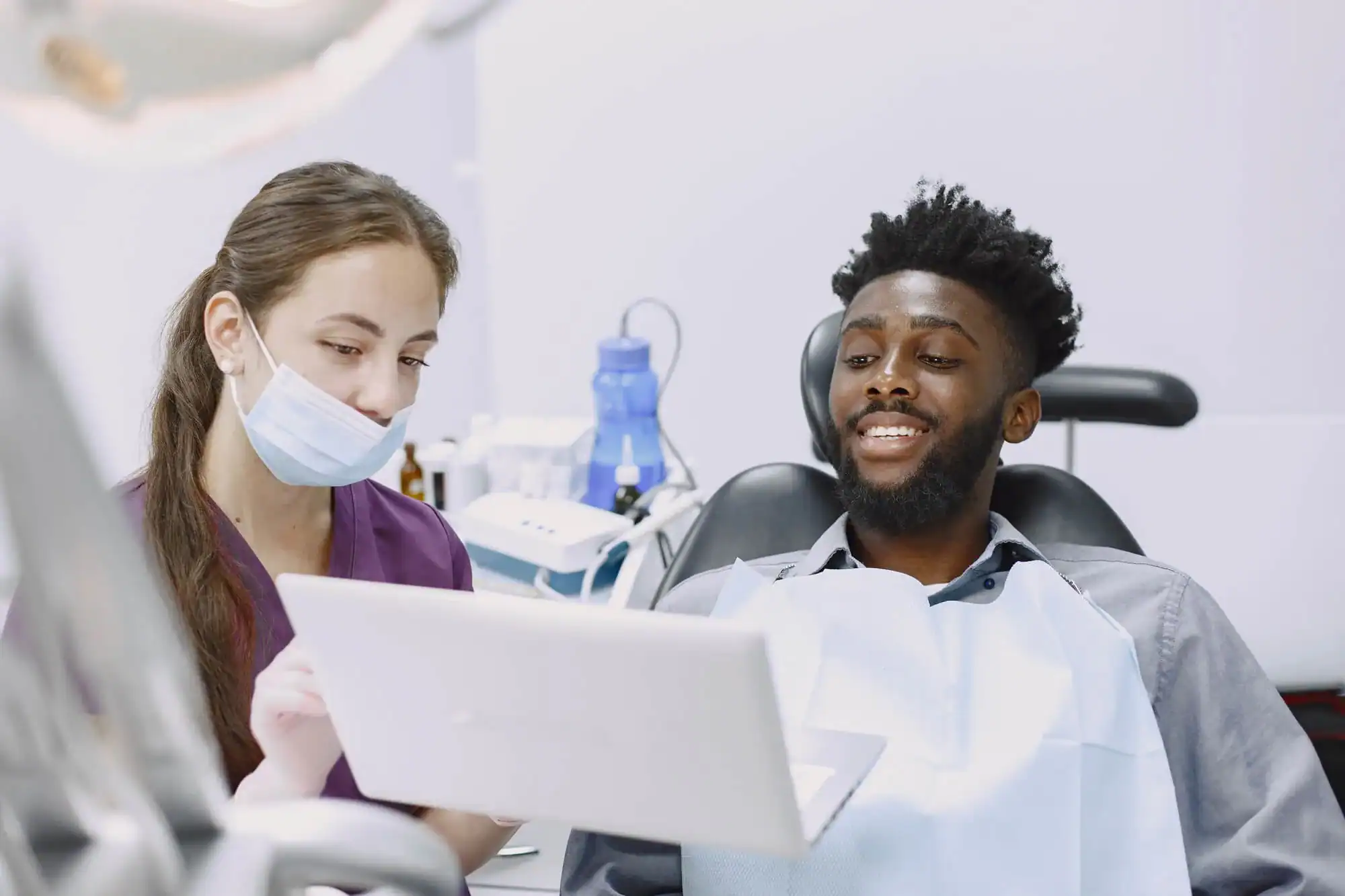
At A Smile 4 U, we offer all three options, including safe sedation for wisdom teeth removal, so you can sit back, relax, and receive the care you need without fear or worry. Our team will guide you through the options to ensure you make the most informed decision.
Let’s find the right fit for you. Call today to book your consultation.