
Professional cleanings are an important part of keeping your teeth and gums healthy. Yet, many patients aren’t sure why they sometimes hear their dentist recommend a “deep cleaning” instead of the regular cleaning they’re used to.
Both play a role in good oral health but serve different purposes. If you’ve been told you might need a deep cleaning, understanding the difference helps you feel informed and confident about your care. With trusted dental hygiene services, you can be sure you’re getting the proper treatment at the right time.
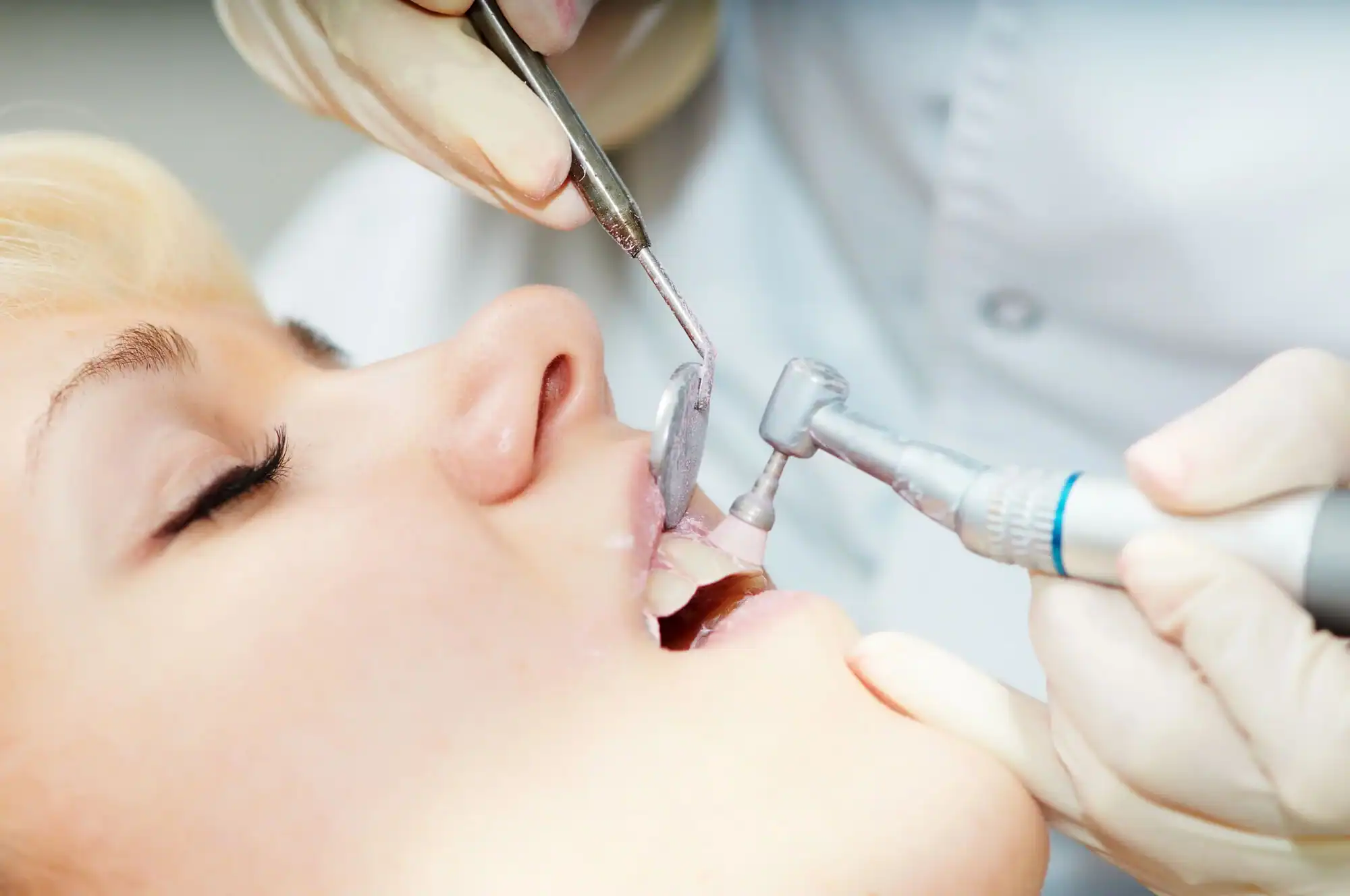
Understanding the Two Types of Dental Cleanings
A dental cleaning, also called prophylaxis, is designed to remove plaque, tartar, and stains from teeth. The difference between a regular cleaning and a deep cleaning is how far below the gumline the cleaning goes and why it’s being done.
Regular Cleaning: Focused on Prevention
A regular cleaning is preventive care. It’s recommended for patients with healthy gums without signs of advanced gum disease.
During a regular cleaning:
- A dental hygienist removes plaque and tartar from the surfaces of your teeth and just under the gumline.
- Your teeth are polished to remove surface stains and make it harder for plaque to stick.
- Flossing and a fluoride treatment may be included, depending on your needs.
Regular cleanings are usually done every six months. However, your dentist might suggest more frequent visits if you’re prone to cavities or buildup.
Deep Cleaning: Treating Gum Disease
A deep cleaning, or scaling and root planing, is a therapeutic procedure for patients with gum disease. It’s not just about cleaning teeth—it’s about stopping the progression of an active infection in the gums.
During a deep cleaning:
- The hygienist removes plaque and tartar from below the gumline, where bacteria cause inflammation and damage.
- Root surfaces are smoothed (planed) to help gums reattach to teeth and reduce the depth of pockets between teeth and gums.
- The procedure may be done in sections of your mouth over two or more visits, and local anesthesia is often used for comfort.
Deep cleanings are typically recommended when gum pockets measure 4 mm or more, and signs of infection, like bleeding, swelling, and bone loss, are present.
Why the Distinction Matters
It’s important to know that a deep cleaning is not a “more thorough version” of a regular cleaning. They serve different purposes:
- Regular cleaning: Maintains health and prevents problems.
- Deep cleaning: Treats existing gum disease and prevents it from getting worse.
Using the wrong type of cleaning at the wrong time could leave gum disease untreated or result in unnecessary procedures.
Signs You May Need a Deep Cleaning
Your dentist might recommend a deep cleaning if you have:
- Gums that bleed when brushing or flossing
- Gums that are red, swollen, or tender
- Receding gums or teeth that look longer than before
- Deep pockets that were detected during a gum exam
These signs indicate that bacteria and tartar have moved below the gumline, where regular cleaning tools can’t reach.
What to Expect During Each Cleaning
Regular Cleaning Experience
A regular cleaning is straightforward and comfortable for most patients. The hygienist uses specialized tools to remove plaque and tartar before polishing your teeth. You might feel some vibration or scraping, but it’s generally painless. The process usually takes 30–45 minutes, making it an easy addition to your schedule.
Deep Cleaning Experience
A deep cleaning is more detailed and often done in two appointments—one side of the mouth at a time. Local anesthesia is used to numb the gums, so you don’t feel discomfort during scaling and root planing. The hygienist works below the gumline to remove tartar and smooth the roots, which helps the gums reattach to the teeth. Each appointment may take 60–90 minutes.
Recovery and Aftercare for Deep Cleaning
After a deep cleaning, it’s common to experience mild tenderness, sensitivity, or slight gum bleeding for a day or two. Following your dentist’s aftercare instructions helps speed healing:
- Brush gently with a soft-bristled toothbrush
- Use an antimicrobial mouth rinse as prescribed
- Avoid hard, crunchy foods for a few days
- Keep up with recommended follow-up visits
Your dentist will likely recheck your gums in a few months to ensure pockets are shrinking and healing well.
Long-Term Benefits of the Right Cleaning
Both types of cleanings play a vital role in your oral health:
- Regular cleaning: Keeps your teeth looking and feeling their best while preventing gum disease.
- Deep cleaning: Stops gum disease from progressing and reduces the risk of tooth loss and bone damage.
The key is having your dentist assess which cleaning is right for you. Early intervention means less invasive treatment and better long-term results.
Beyond preserving your smile, the right cleaning can positively impact your overall health. Research shows a connection between gum health and conditions like heart disease, diabetes, and certain respiratory issues. By controlling gum inflammation, you may lower your risk for these systemic issues.
Additionally, consistent professional care can help you maintain fresh breath, protect dental work like crowns or implants, and improve confidence in social and professional situations.

Looking for Trusted Dental Hygiene Services?
When it comes to keeping your mouth healthy, working with a team that offers dental hygiene services ensures you get the right care at the right time. Experienced dental professionals can identify early signs of gum disease, tailor your cleaning schedule, and guide you in improving your at-home routine.
Whether you need a standard six-month cleaning or a series of deep cleanings, having a hygienist and dentist who explain the process clearly makes all the difference. This partnership helps you maintain healthy teeth and gums—and avoid more complex dental problems in the future.
At A Smile 4 U, our team provides both regular and deep cleanings, focusing on comfort, education, and prevention. We’ll assess your needs, explain our findings, and recommend the right treatment plan for you.
Schedule your cleaning today and see why patients trust us for their ongoing dental hygiene care. Whether you’re due for a routine visit or need a deep cleaning to restore gum health, we’re here to help you keep your smile strong for years.