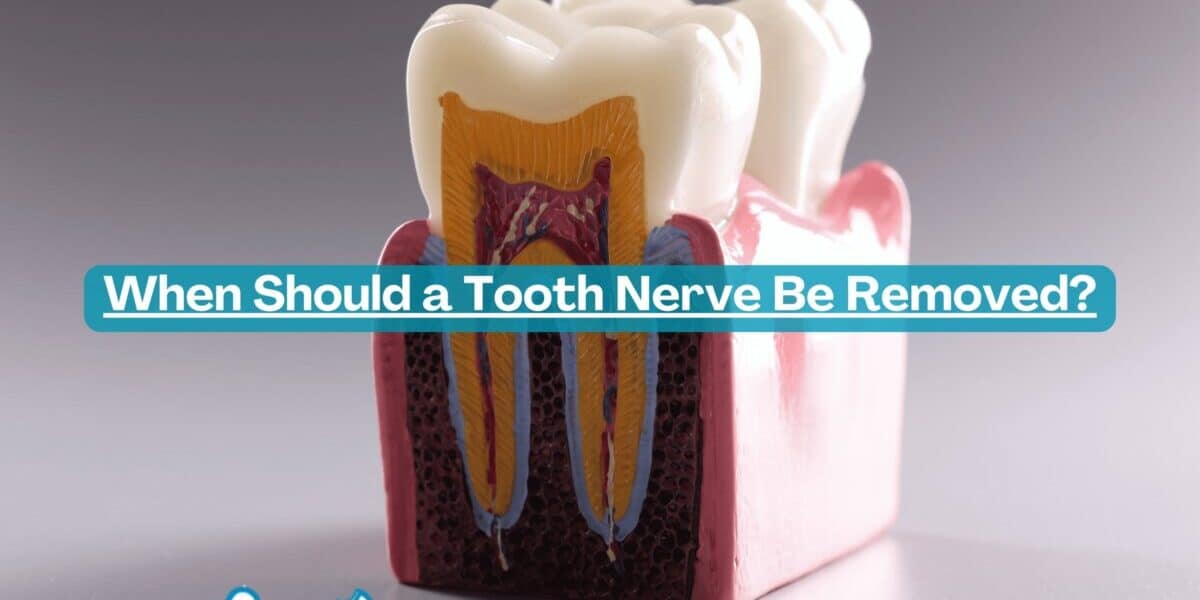
When Should a Tooth Nerve Be Removed?
The need for a root canal method is confirmed via an X-ray, but there are certain signs that may be noticed when the nerve begins to emerge as infected.
These signs and symptoms consist of:
- Severe ache inside the tooth whilst eating particularly warm or cold drinks because of elevated tooth sensitivity.
- The enamel turns into loose or moves effortlessly.
- Pain whilst chewing meals or when the jaws come into contact.
These initial symptoms do not closing lengthy, and the affected person may feel better quickly. However, at some point of this era, bacteria can unfold, main to nerve loss of life. This will purpose greater intense signs and symptoms which includes:
- Inability to chunk with the affected enamel.
- Swelling and redness of the gums close to the affected tooth.
- Swelling of the face near the affected enamel.
- The tooth turning darkish due to the discharge of a darkish substance from the nerve.
- Pus being constituted of the infected enamel.
- Therefore, when experiencing any enamel ache, it is important to visit a dentist straight away to save you the state of affairs from attaining a point in which enamel extraction turns into essential.
When Should a Tooth Nerve Be Removed?
How Is a Root Canal Procedure Done?
First, the dentist will take an X-ray of the teeth to decide if the nerve is infected. Before beginning the treatment, the region around the teeth is numbed the use of neighborhood anesthesia. The dentist will then place a barrier around the teeth to shield the encompassing gums and mouth from the system.
The dentist will then drill thru the tooth to get right of entry to the pulp below the enamel and dispose of any inflamed or decayed tissue from the foundation of the tooth. The root is then reshaped and cleaned before being stuffed.
To make certain that each one infected tissue and micro organism are removed, the dentist will smooth the foundation canal with specialized chemicals, and then the root canal is dried after all of the infected tissue is cleared.
How Is a Root Canal Filled?
Root canal filling is typically finished in 3 steps, and it may be performed in a single to three periods, depending at the man or woman’s circumstance.
In instances in which the root canal is curved, has more than one canals, or the inflammation is sizeable, additional sessions may be required.
The filling method is as follows:
After the nerve is removed, the basis canal is absolutely wiped clean after which stuffed the use of a rubber-like cloth. A sealing adhesive is used to shut the canals tightly.
After the root canal is eliminated, the affected person will not experience pain inside the teeth for the reason that nerve tissue and contamination had been treated.
Since the enamel will become greater fragile after the foundation canal manner, a crown or filling is typically applied to shield it.
Root canal infection or insufficient cleaning, leading to habitual infection and ache, which may additionally require disposing of the filling and restarting the system.
Tooth discoloration, which happens due to nerve elimination or nerve loss of life, either before or after the process.
Tooth sensitivity, because the drilled and hollowed tooth becomes weaker and more liable to breakage. Dentists commonly suggest a crown to shield the teeth from breaking.
There is a possibility of submit-procedure infection, which may additionally gift as pain whilst consuming or pressure at the teeth, a abnormal taste, or horrific breath. In some cases, pus is probably discharged from the affected teeth.
Is Root Canal Treatment Painful?
Before starting the foundation canal, the dentist will use neighborhood anesthesia to numb the area to make certain a painless procedure. However, there may be some soreness for the duration of the process because of the extent and severity of the infection.
How Long Does Tooth Nerve Pain Last?
Root canal treatment is intended to alleviate the pain associated with an inflamed or broken enamel. It is regular to experience moderate to mild pain for some days after the system.
If the teeth stays swollen after the foundation canal and does not reply to prescribed medicinal drug, the affected person ought to see their dentist without delay.
What Causes Pain After a Root Canal?
In some cases, patients may revel in extended pain after a root canal. Some reasons for this encompass:
Infection and contamination, that could cause the formation of an abscess on the web page of the surgical treatment, causing intense ache.
Sensitivity to temperature adjustments, which may final for approximately 4 weeks after the process.
Some humans might also have allergies to sure styles of fillings, leading to ache, swelling, or infection.
Cracks or fractures within the dealt with tooth can reason contamination, requiring extra treatment.
Signs of Root Canal Failure
A root canal may also fail for numerous motives. The following are symptoms that may suggest this failure:
Severe pain: Typically, a affected person is possibly to revel in a few level of pain for a few days. However, continual, or recurrent intense pain might be indicative of root canal failure.
Increased tooth sensitivity: New, excessive sensitivity to warm or cold food, or strain while chewing might be a sign of failure.
Swelling around the handled location: If there’s swelling that does not subside with time, then, in this example, it can indicate root canal failure.
Infections of the maxillary sinus because of odontogenic infections: An odontogenic contamination is a dental infection that may every now and then lead to an contamination of the maxillary sinus brought about with the aid of infected dental pulp. Coughing up of pus: Pus from this sort of teeth or the encompassing gums increases suspicion about a brand new abscess having shaped.
Can a Root Canal Be Done on Baby Teeth?
Yes, a root canal can be done on child teeth, depending on the circumstance of the kid’s tooth. The dentist will determine whether to keep the baby teeth for so long as viable or to extract it, thinking about the future eruption of everlasting teeth.
What Happens to the Tooth After a Root Canal?
After a root canal, the teeth turns into more fragile and is at hazard for headaches if not nicely maintained. The enamel will lose its capability to sense hot or cold because the nerve is liable for these sensations. About six months after the foundation canal, the teeth might also end up weaker and extra susceptible to breaking, so a crown is often endorsed to shield it.
How to Prevent Tooth Nerve Inflammation
Some tips to help save you enamel nerve infection consist of:
- Brush your enamel every day, as a minimum twice, or after every meal.
- Use fluoride toothpaste, as fluoride is vital for dental fitness.
- Use dental floss every day to put off food debris and prevent bacterial buildup.
- Visit your dentist each six months for a ordinary check-up.
- Use a scientific mouthwash to cast off dangerous bacteria that cause infection and decay.
The Safest Painkillers for Tooth Nerve Pain
The following are many of the regular medicines that help in reducing the ache emanating from enamel nerve inflammation:
Ibuprofen: This is each a painkiller and an anti inflammatory. It must be taken at the suitable dosage as consistent with the health practitioner’s prescription or as in keeping with the directions on the package.
Paracetamol (Acetaminophen): Another powerful pain reliever that reduces fever. Dosage ought to be followed strictly and ought to now not be passed.
Oxycodone: A more effective painkiller as compared to the ones discussed earlier, usually prescribed by a doctor. Must be used because of the indicators of a clinical worker.
Codeine: Used as an analgesic, frequently prescribed by a doctor. Should be taken as directed by using the health practitioner.
Always seek advice from a dentist earlier than taking any medicine to treat enamel nerve pain, because the dentist can provide an accurate assessment and prescribe the suitable remedy in your situation.
Can Pregnant Women Undergo Root Canal Treatment?
Yes, pregnant girls can undergo root canal remedy however a few essential issues to ensure the protection of each the mother and the fetus throughout the process are:
Communication with the Doctor: The pregnant woman must spew to the dentist about her pregnancy and any other health issues she might also have.
Using Safe Painkillers: Safe pain relievers like paracetamol may be used cautiously and consistent with the physician’s guidelines to alleviate pain. Non-steroidal anti-inflammatory capsules (NSAIDs) consisting of ibuprofen and aspirin have to be averted, particularly during the first trimester of being pregnant.
Careful Use of Local Anesthesia: If vital for root canal treatment, neighborhood anesthesia can usually be used safely in maximum instances.
Radiation Protection: If an X-ray is important, the pregnant lady need to wear a protecting lead apron to defend towards radiation.
Oral Care: Pregnant girls need to maintain appropriate oral hygiene by brushing and flossing frequently and touring the dentist for habitual take a look at-ups.
It’s essential for pregnant ladies to recognize that now not addressing dental problems nicely should cause greater big troubles later. Therefore, dental problems must be treated below the steerage of a qualified and skilled dentist.
Request an appointment online.
As You can also read more about:
orthodontics for adults in cartersville
Golden Tips for Dental Care After Cosmetic Treatments
How to Choose the Right Toothpaste for Your Oral Health
Root Canal Treatment: When Is It Necessary?
What Should You Do in a Dental Emergency?
February Newsletter
Orthodontic
Gum Health : Key to a Healthy Smile
And follow our social media pages by clicking on the link below.
Instagram
Facebook
Tiktok